Top 10 Female Spanish Painters Who Redefined the Art World
Here’s a look at the top 10 female Spanish painters who have made their mark on the world
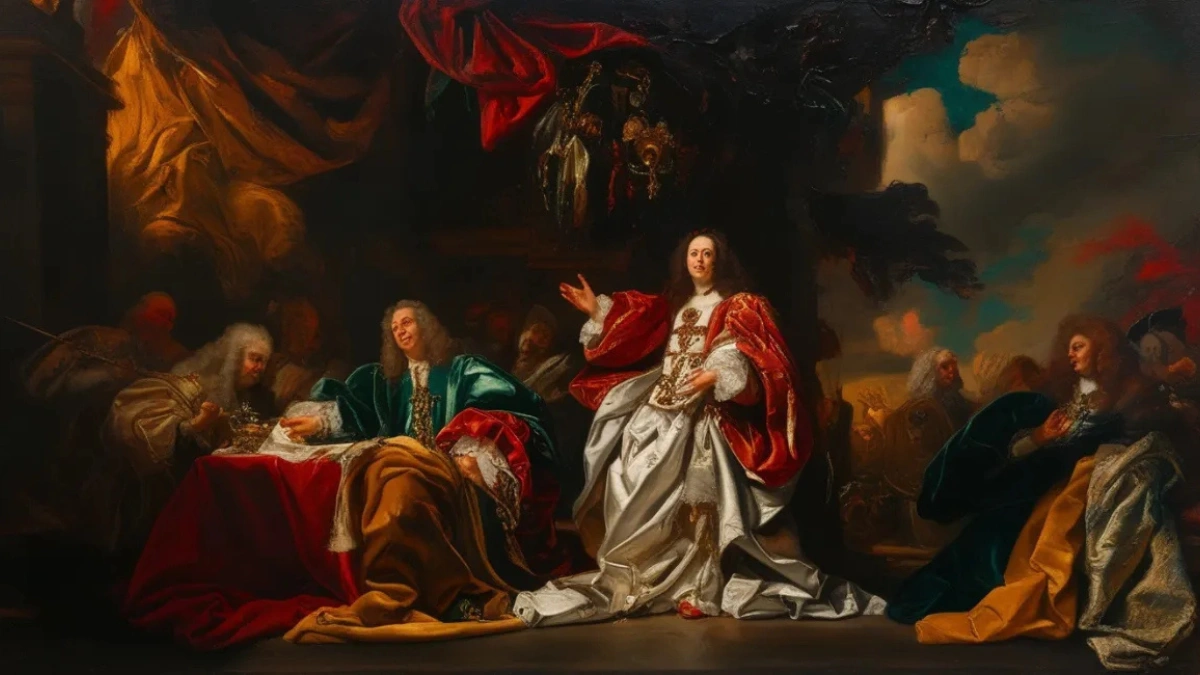
Female Spanish Painters
Spain’s artistic legacy is often associated with legendary names like Picasso and Dalí, but there’s a powerful and often underrepresented story behind many female artists who shaped the country’s creative identity. Across centuries—from the Renaissance to contemporary art—Spanish women painters have challenged conventions, introduced bold narratives, and expanded the boundaries of artistic expression.
Their journeys weren’t always easy. Many faced social limitations, lack of recognition, and restricted access to formal training. Yet, their resilience and originality helped them leave an undeniable mark on global art. Here’s a deeper look at ten remarkable female Spanish painters whose work continues to inspire artists and audiences worldwide.
1. Maruja Mallo (1902–1995)
Maruja Mallo was one of the most daring voices in Spanish surrealism. Her work stood out for its vibrant colors, bold structures, and fearless themes. At a time when female artists were expected to stay within traditional boundaries, Mallo explored social injustice, feminism, and human psychology.
Her paintings often carried a strong sense of rebellion, reflecting both personal and political struggles. Exiled during the Spanish Civil War, her experiences deeply influenced her artistic direction, adding layers of meaning to her already complex visual language.
2. Remedios Varo (1908–1963)
Remedios Varo created dreamlike worlds that feel both mystical and deeply personal. Her paintings are filled with symbolic elements—alchemy, science, spirituality, and transformation—all woven into surreal narratives.
Although she spent much of her life outside Spain, her artistic roots remained connected to her homeland. Her work stands out for its storytelling quality, where every detail feels intentional. Viewers often find themselves drawn into her imaginative universes, discovering new meanings with each glance.
Also read: Top 5 must-read novels written by Indian authors
3. Sofonisba Anguissola (1532–1625)
Long before women had a recognized place in professional art, Sofonisba Anguissola broke barriers during the Renaissance. She gained international recognition as a portrait painter, even serving at the Spanish royal court.
What made her work exceptional was her ability to capture genuine human emotion. Her portraits felt alive, moving beyond stiff formal representation. She paved the way for future generations of women artists, proving that talent could overcome societal restrictions.
4. Pilar Albarracín (1968–Present)
Pilar Albarracín represents a bold, contemporary voice in Spanish art. Her work often challenges stereotypes, especially around gender roles and cultural identity.
Using humor, performance, and striking visuals, she explores themes tied to Spanish traditions—such as flamenco, religion, and societal expectations. Her art isn’t just meant to be seen; it’s meant to provoke thought and conversation.
5. Ángeles Santos Torroella (1911–2013)
A true prodigy, Ángeles Santos gained attention at a very young age with her groundbreaking painting A World. This surreal masterpiece showcased her unique imagination and avant-garde thinking.
Her early works pushed artistic boundaries, blending fantasy with philosophical depth. Although her later career shifted stylistically, her contribution to modern Spanish art remains significant, especially as a young woman redefining creative possibilities.
6. Esther Ferrer (1937–Present)
Esther Ferrer is best known for her performance art, but her influence extends into visual and conceptual art as well. She approaches creativity with minimalism and intellectual depth, often focusing on time, repetition, and human presence.
Her work challenges traditional ideas of what art should be. Instead of offering easy answers, she invites the audience to participate in interpretation, making her art deeply interactive and thought-provoking.
7. Marina Núñez (1966–Present)
Marina Núñez’s work explores identity in the modern age, often blending human figures with elements of technology and transformation. Her paintings feel futuristic, yet they reflect very current concerns about self-image and digital existence.
She frequently portrays hybrid beings—part human, part machine—raising questions about evolution, gender, and the boundaries of the body. Her art connects classical painting techniques with contemporary themes in a striking way.
8. Clara Peeters (1594–1657)
Clara Peeters was a pioneer in still-life painting during a time when women were rarely recognized as professional artists. Her works are known for their incredible detail and symbolic richness.
She often included subtle self-portraits reflected in objects like glass or metal, quietly asserting her presence in a male-dominated field. Her paintings go beyond simple still life—they tell stories about wealth, mortality, and daily life.
9. Lita Cabellut (1961–Present)
Lita Cabellut is internationally celebrated for her powerful portraiture. Using a unique fresco-inspired technique, she creates large-scale works that capture raw human emotion.
Her subjects often include marginalized individuals, giving voice to stories that are rarely told. The cracks and textures in her paintings add depth, symbolizing vulnerability and resilience. Her art feels deeply human and emotionally intense.
10. Eva Lootz (1940–Present)
Although originally from Austria, Eva Lootz built her artistic career in Spain and became an important figure in its contemporary art scene. Her work spans multiple mediums, including sculpture, drawing, and installation.
She focuses on themes like nature, time, and environmental change. Her art often reflects a quiet yet powerful commentary on humanity’s relationship with the natural world, encouraging viewers to think about sustainability and existence.
Why These Artists Matter Today
What connects these ten women is not just their talent, but their courage to challenge norms. They worked across different eras, styles, and mediums, yet each brought a fresh perspective that expanded the definition of art.
Their contributions remind us that art history is richer and more diverse than often portrayed. Today, as conversations around representation and inclusivity grow stronger, revisiting their work becomes even more important.
These artists didn’t just create paintings—they created pathways for future generations. Their legacy continues to influence contemporary artists, curators, and audiences who seek deeper, more meaningful connections with art.