
Money Sent to the Wrong Bank Account? Don’t Panic—Take These Steps Immediately
Accidentally transferred money to the wrong bank account through UPI or net banking? Learn the steps to report the transaction, file a complaint, and improve your chances of getting your money back quickly.
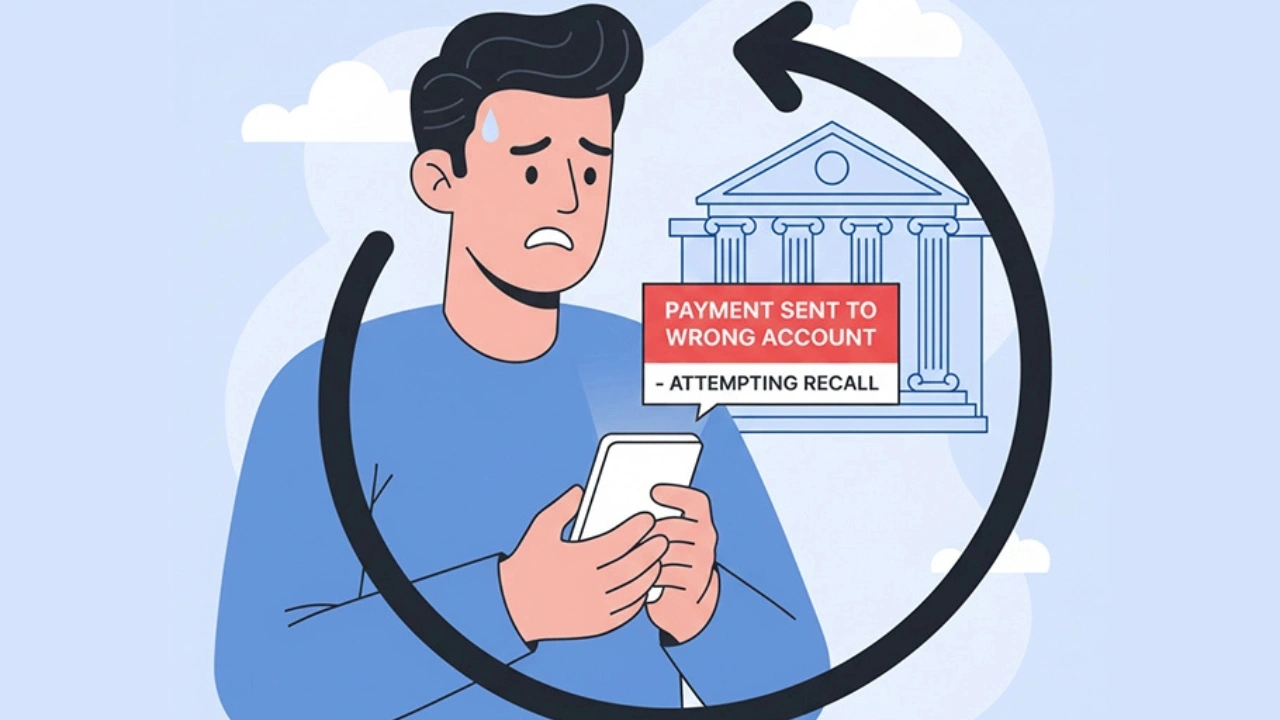
Wrong Bank Account
Digital payments have transformed the way people handle money in India. Whether it’s paying utility bills, shopping online, or transferring funds to friends and family, UPI and net banking have made transactions faster and more convenient than ever before. However, with this convenience comes the possibility of human error.
One of the most common mistakes people make is transferring money to the wrong bank account or UPI ID. A simple typing error, selecting the wrong contact, or rushing through a transaction can result in funds being sent to an unintended recipient. When this happens, many people panic and assume their money is gone forever. Fortunately, that is not always the case.
If you accidentally transfer money to the wrong account, acting quickly can significantly improve your chances of recovering the funds. Here’s what you need to know.
Report the Issue Immediately
The moment you realize that money has been transferred to the wrong account, do not delay. Time plays a crucial role in resolving such cases.
Financial experts recommend filing a complaint as soon as possible. You can contact your bank’s customer support or the payment service provider through which the transaction was made. Make sure you note down important details such as:
- Transaction ID or reference number
- Date and time of the transaction
- Amount transferred
- Recipient account number or UPI ID
- Screenshots of the transaction confirmation
Having these details ready will help speed up the complaint process.
Contact Your Bank Without Delay
After reporting the issue through customer care, visit your bank branch if required. The bank may ask you to fill out a dispute or transaction complaint form. Provide all the relevant transaction information accurately.
Banks generally investigate such complaints and coordinate with the receiving bank to determine whether the funds can be recovered. The sooner you report the issue, the better the chances of freezing or reversing the transaction before the money is withdrawn by the recipient.
If you are unable to visit the branch, many banks also accept complaints through email, internet banking portals, or mobile banking applications.
Keep Transaction Messages and Records Safe
Many people delete transaction alerts immediately after making payments. This can be a mistake when dealing with payment disputes.
Whenever you make a UPI or net banking transaction, you receive a confirmation message containing valuable information such as the transaction reference number. These details are often required during the complaint process.
If you have accidentally sent money to the wrong account, keep all related SMS messages, emails, and screenshots safely stored until the matter is resolved.
Raise a Complaint Through the Payment App
If the transaction was made using a UPI application such as Google Pay, PhonePe, Paytm, or another payment platform, you should also raise a complaint directly through the app.
Most UPI apps have dedicated support sections where users can report incorrect transfers and payment disputes. While the platform itself may not always reverse the transaction directly, it can help coordinate with the relevant banks and provide guidance on the next steps.
Make sure to attach screenshots and transaction details when submitting your complaint.
Also read: How to Open Fixed Deposit Online in India: Step-by-Step FD Guide
Understand the Refund Process
Many users wonder whether money transferred to the wrong account can be refunded automatically. The answer depends on several factors.
If the recipient account does not exist or the account details entered are invalid, the transaction may fail and the amount could be automatically credited back to your account.
However, if the money reaches a valid account belonging to another person, the recovery process becomes more complex. Banks generally need to contact the recipient bank and seek consent or investigate the matter according to applicable banking procedures.
This is why immediate reporting is essential.
Escalate the Complaint If Needed
If you do not receive satisfactory assistance from your bank, you can escalate the matter through the bank’s grievance redressal system. Most banks provide dedicated channels for unresolved customer complaints.
Maintain records of all complaint numbers, emails, and communications related to the case. These documents can be useful if further escalation becomes necessary.
How to Avoid Such Mistakes in the Future
While recovery may be possible, prevention is always better than dealing with the stress of a mistaken transfer. Before sending money:
- Double-check the recipient’s account number.
- Verify the UPI ID carefully.
- Confirm the recipient’s name displayed on the screen.
- Start with a small test transaction when sending money to a new beneficiary.
- Avoid making payments in a hurry.
Taking a few extra seconds to verify details can save significant time and effort later.
Accidentally sending money to the wrong bank account can be stressful, but it does not necessarily mean the money is lost forever. The most important thing is to act immediately, preserve all transaction records, contact your bank, and raise a complaint through the payment platform used for the transaction.
As digital payments continue to grow across India, users must remain vigilant and verify payment details before completing any transaction. A small precaution today can help prevent a major financial headache tomorrow.
Disclaimer: Banking procedures and refund timelines may vary depending on the bank, payment platform, and circumstances of the transaction. Always consult your bank for the latest policies and guidance.