
Fatty Liver Symptoms: Early Warning Signs You Should Never Ignore
Learn the early symptoms of fatty liver disease, including fatigue, belly fat, abdominal discomfort, and digestive issues. Understand warning signs and when to seek medical help.
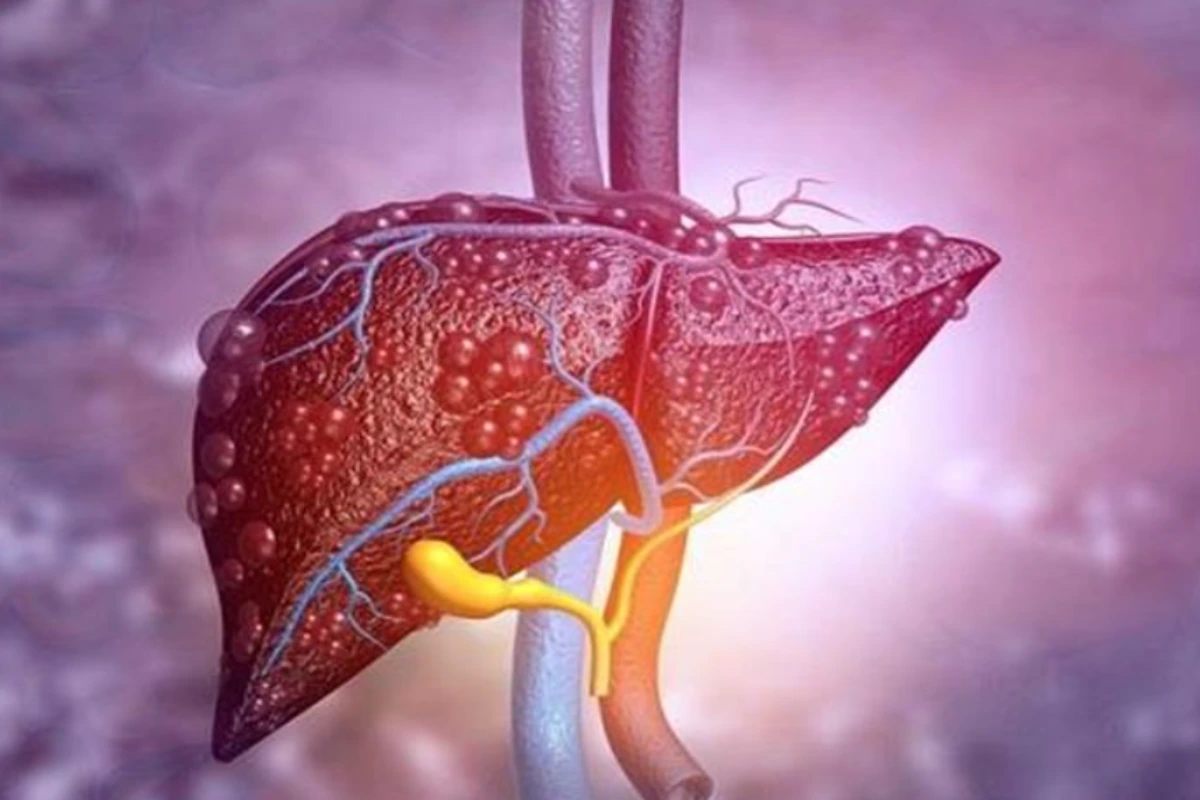
fatty liver
Fatty liver disease has become one of the fastest-growing health concerns worldwide, yet many people are unaware they may be living with it. Unlike some illnesses that produce obvious symptoms right away, fatty liver often develops quietly over time. Many individuals discover they have the condition only during routine medical tests or after symptoms begin affecting their daily lives.
The growing prevalence of fatty liver disease is closely linked to modern lifestyle habits. Long hours of sitting, unhealthy eating patterns, processed foods, obesity, diabetes, and excessive alcohol consumption have all contributed to the rise in cases. What makes the condition particularly concerning is that the liver can continue functioning even while accumulating fat, which means warning signs are often overlooked.
Many people brush off symptoms such as constant tiredness, bloating, or abdominal discomfort as everyday issues caused by stress or poor sleep. However, these seemingly minor problems may sometimes indicate that the liver is struggling.
Fatty liver disease generally falls into two categories. Non-Alcoholic Fatty Liver Disease (NAFLD) is commonly associated with obesity, diabetes, high cholesterol, and metabolic disorders. Alcoholic Fatty Liver Disease (AFLD), on the other hand, results from excessive alcohol consumption. Although the causes differ, both conditions can lead to similar symptoms and long-term complications if left untreated.
Recognizing the early signs can make a significant difference because fatty liver disease is often reversible in its initial stages through lifestyle changes and medical guidance.
1. Persistent Fatigue That Doesn’t Go Away
One of the earliest and most frequently reported symptoms of fatty liver disease is ongoing fatigue. This is not the kind of tiredness that disappears after a good night’s sleep or a relaxing weekend.
Many patients describe feeling drained throughout the day despite getting adequate rest. They may struggle to complete routine tasks, experience low motivation, or feel physically exhausted after minimal activity.
The liver plays a crucial role in converting nutrients into energy. When excess fat accumulates within liver cells, the organ becomes less efficient at performing its normal functions. As a result, the body may not receive energy as effectively as it should.
You may notice:
- Constant feelings of weakness
- Reduced physical endurance
- Difficulty staying productive
- Feeling tired shortly after waking up
Many people initially blame work pressure, aging, or poor sleep for these symptoms. However, when fatigue becomes a regular part of daily life, it deserves medical attention.
2. Increasing Belly Fat or Unexpected Weight Changes
Have you ever felt frustrated because your waistline keeps expanding despite making efforts to stay active? This is a common concern among individuals with metabolic disorders, including fatty liver disease.
Excess fat accumulation around the abdomen is strongly linked to liver fat buildup. In fact, abdominal obesity is considered one of the most important risk factors for developing Non-Alcoholic Fatty Liver Disease.
Some people notice:
- Increased belly fat
- A larger waist circumference
- Difficulty losing weight
- Weight gain despite normal eating habits
Interestingly, some individuals may experience unexplained weight loss due to reduced appetite and digestive problems caused by liver dysfunction.
If your body composition seems to be changing without an obvious reason, it may be worth discussing liver health with your healthcare provider.
3. Pain or Discomfort on the Right Side of the Abdomen
The liver is located in the upper right portion of the abdomen, beneath the rib cage. As fatty liver disease progresses, inflammation and enlargement of the liver can create discomfort in this area.
Unlike sudden severe pain, fatty liver-related discomfort is usually mild but persistent. Many people describe it as a dull ache, pressure, or sensation of fullness.
Common experiences include:
- Mild pain beneath the right ribs
- A feeling of heaviness in the upper abdomen
- Discomfort when bending or stretching
- Occasional pressure after meals
Because the pain is often subtle, people may ignore it for months. However, recurring discomfort on the right side should never be dismissed, particularly when accompanied by fatigue or digestive symptoms.
Also read: Gurmar Benefits: A Powerful Ayurvedic Herb for Blood Sugar, Weight Loss & Wellness
4. Digestive Problems and Frequent Bloating
The liver is deeply involved in digestion. It helps process fats, filters toxins, and supports various metabolic activities that keep the digestive system functioning smoothly.
When the liver becomes overloaded with fat, digestive efficiency can decline. This may lead to symptoms that many people mistake for ordinary stomach issues.
Warning signs can include:
- Frequent bloating
- Nausea
- Indigestion
- Reduced appetite
- Feeling full quickly during meals
- General stomach discomfort
Many people report that their favorite foods suddenly feel heavier or harder to digest. Others notice that bloating occurs more often, even after eating relatively small portions.
While occasional digestive issues are common, persistent symptoms may signal an underlying liver problem that requires evaluation.
5. Signs of Insulin Resistance
One of the strongest connections in modern medicine is the relationship between fatty liver disease and insulin resistance.
Insulin resistance occurs when the body’s cells stop responding effectively to insulin, causing blood sugar regulation problems. This condition significantly increases the risk of developing Type 2 diabetes and often exists alongside fatty liver disease.
Possible symptoms include:
- Sudden hunger shortly after eating
- Energy crashes during the day
- Difficulty losing weight
- Increased cravings for sugary foods
- Darkened skin patches around the neck or underarms
Many people are surprised to learn that fatty liver and insulin resistance often develop together. Addressing one condition frequently helps improve the other.
Early intervention through dietary improvements, regular exercise, and weight management can dramatically reduce future health risks.
6. Brain Fog and Difficulty Concentrating
Another commonly overlooked symptom is mental fogginess.
People with fatty liver disease sometimes report difficulty focusing, remembering details, or staying mentally sharp throughout the day. They may feel distracted, forgetful, or mentally sluggish without understanding why.
Although the exact mechanisms are still being studied, experts believe that inflammation and reduced toxin-processing efficiency may contribute to these symptoms.
You might experience:
- Trouble concentrating
- Poor memory
- Mental fatigue
- Reduced productivity
- Feeling mentally “slow”
Many individuals assume these changes are simply a result of stress or aging. However, when brain fog appears alongside fatigue and digestive issues, liver health should be considered.
Why Early Detection Matters
One of the most encouraging facts about fatty liver disease is that it can often be reversed during its early stages.
Lifestyle modifications such as maintaining a healthy weight, exercising regularly, reducing sugar intake, limiting alcohol consumption, and following a balanced diet can significantly improve liver function. In many cases, these changes help reduce fat accumulation and prevent long-term complications.
Ignoring symptoms, however, may allow the condition to progress to more serious stages, including liver inflammation, fibrosis, cirrhosis, and liver failure.
When Should You See a Doctor?
If you have been experiencing persistent fatigue, unexplained abdominal discomfort, bloating, changes in appetite, increasing belly fat, or symptoms of insulin resistance, it is wise to consult a healthcare professional.
Simple blood tests and imaging studies can help identify liver problems before significant damage occurs. The earlier fatty liver disease is diagnosed, the better the chances of reversing it and protecting long-term health.
Many people assume that liver disease only affects heavy drinkers, but that is no longer true. Today, fatty liver disease affects millions of individuals who may never consume alcohol at all. The condition often develops silently, making awareness of early warning signs extremely important.
If you’ve recently noticed persistent fatigue, stubborn belly fat, digestive discomfort, or difficulty concentrating, don’t ignore what your body may be trying to tell you. Paying attention to these signals and seeking timely medical advice could help prevent serious liver complications in the future.
Disclaimer: This article is for informational purposes only and should not be considered medical advice. Always consult a qualified healthcare professional for diagnosis and treatment of any medical condition.
https://t.co/D6aHJ5UDUE
Fatty Liver Symptoms: Early Warning Signs You Should Never Ignore— genxsoft (@genxsoftinfo) December 1, 2025