Gen Z Slang 2026: Viral Internet Words and Meanings You Need to Know
Discover the most popular Gen Z slang words of 2026 including rizz, delulu, aura farming, mid, NPC, and more. Learn what these viral internet terms mean and why everyone is using them online.
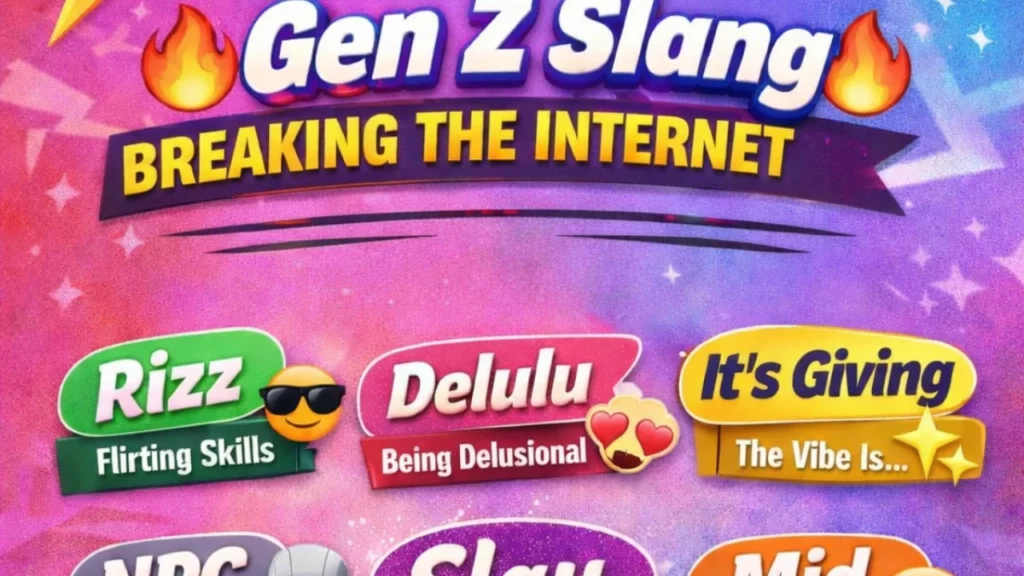
Gen Z Slang
If you’ve opened Instagram, TikTok, or even YouTube comments lately and felt completely confused, you’re definitely not alone. Social media users today communicate with a constantly evolving mix of memes, abbreviations, reactions, and viral phrases that change almost overnight. What started as internet jokes has now become a full digital language shaped by Gen Z culture.
In 2026, Gen Z slang is influencing everything from online conversations and dating culture to brand marketing, entertainment, and viral news headlines. Words like “rizz,” “delulu,” “aura farming,” and “it’s giving” are now part of everyday internet communication. Even major companies and influencers are using these phrases to stay relatable and connect with younger audiences.
For creators, businesses, students, and anyone active online, understanding Gen Z slang is no longer just about sounding cool. It’s about understanding internet culture itself.
Why Gen Z Slang Is Everywhere Right Now
Unlike older generations that picked up slang slowly through movies or television, Gen Z slang spreads at lightning speed. One viral meme, livestream, or trending TikTok audio can introduce a new word to millions of people within hours.
Several factors are fueling this explosion of internet slang:
- Short-form videos and reels
- Meme culture
- Gaming communities
- Livestream platforms
- Influencer trends
- Viral reaction content
- Online fandom culture
Social media algorithms also reward relatable and emotional content. That’s why slang-heavy posts often perform better on platforms like Instagram and TikTok. The language feels casual, entertaining, and authentic to younger audiences.
Interestingly, many of these words don’t stay online for long before entering mainstream conversations. Celebrities, sports personalities, streamers, and even brands now casually use Gen Z slang in interviews, captions, and advertisements.
Viral Gen Z Slang Words Dominating 2026
Rizz
“Rizz” continues to remain one of the biggest slang words online. It refers to someone’s ability to flirt smoothly or naturally attract people through charm and confidence.
Example:
“He has insane rizz.”
The term became popular through gaming streamers and TikTok creators before exploding across the internet.
Delulu
“Delulu” comes from the word “delusional,” but Gen Z uses it in a playful way. It often describes someone dreaming unrealistically or believing something unlikely will happen.
Example:
“I’m staying delulu until it works out.”
The phrase “delulu is the solulu” became especially viral online, meaning confidence and optimism can sometimes help people achieve their goals.
It’s Giving
This phrase is used to describe a vibe, aesthetic, or overall energy someone or something gives off.
Example:
“That outfit is giving luxury.”
It’s one of the most widely used phrases in fashion, beauty, and lifestyle content.
Slay
“Slay” means doing something exceptionally well or looking amazing while doing it.
Example:
“She absolutely slayed that performance.”
The word has become deeply connected with fashion, music, and pop culture conversations online.
Mid
Gen Z uses “mid” to describe something average, disappointing, or overhyped.
Example:
“That movie was mid.”
It’s commonly seen in entertainment reviews, gaming discussions, and social media debates.
NPC
NPC stands for “Non-Playable Character,” a term borrowed from video games. Online, it describes someone acting robotic, repetitive, or lacking originality.
Example:
“He replies like an NPC.”
NPC memes exploded thanks to livestream culture and gaming communities.
Main Character Energy
This phrase encourages confidence and self-prioritization. It refers to living life like the protagonist of your own story.
Example:
“She’s in her main character era.”
The term became popular through aesthetic lifestyle videos and self-improvement content.
No Cap
“No cap” means “no lie” or “I’m being serious.”
Example:
“That was the best concert ever, no cap.”
Even though the phrase has existed for years, it still remains widely used in 2026.
Bet
“Bet” is a simple way of saying okay, agreed, or confirmed.
Example:
“Meet at 7?” — “Bet.”
It’s short, quick, and extremely common in casual online conversations.
Sus
Originally made famous by the video game Among Us, “sus” means suspicious or questionable.
Example:
“That story sounds sus.”
The term remains popular across meme pages and reaction videos.
Aura Farming
One of the newer slang terms trending in 2026, “aura farming” describes someone intentionally trying to look cool, mysterious, or iconic online.
Example:
“He’s just aura farming for the camera.”
The phrase is heavily used in meme culture and sports edits.
Cooked
“Cooked” means someone is in trouble, exhausted, or completely finished in a situation.
Example:
“I forgot my assignment deadline. I’m cooked.”
It has become one of the most relatable slang words among students and creators.
Touch Grass
This slang phrase tells someone to step away from the internet and reconnect with real life.
Example:
“You’ve been arguing online for six hours. Go touch grass.”
It’s usually used humorously during online debates.
Based
“Based” describes someone unapologetically expressing their opinion without caring about criticism.
Example:
“That take was based.”
The word is commonly used during discussions involving controversial or bold opinions.
Ate and Left No Crumbs
This phrase means someone performed exceptionally well.
Example:
“She ate and left no crumbs.”
It’s frequently used in fashion, music, dance, and celebrity fan communities.
Canon Event
Inspired by Spider-Man: Across the Spider-Verse, a “canon event” refers to an unavoidable life experience everyone must go through.
Example:
“Getting your heart broken is a canon event.”
The phrase became one of the biggest meme trends online.
Why Brands and Influencers Love Gen Z Slang
Modern internet users scroll through massive amounts of content every day. Brands now realize that sounding overly formal often hurts engagement.
Using Gen Z slang helps content feel:
- More relatable
- More conversational
- More shareable
- More emotionally engaging
- More native to social media platforms
That’s why companies, influencers, and even sports teams now use slang in captions, campaigns, and memes.
However, there’s also a risk. Gen Z audiences can quickly tell when brands are forcing internet slang unnaturally. Overusing trendy phrases can make content feel “cringe,” another popular slang term meaning embarrassing or awkward.
How To Use Gen Z Slang Naturally
If you want to sound current online without trying too hard, balance is important.
What Works
- Use slang casually
- Understand the meaning first
- Match the tone of the platform
- Stay authentic
- Use trends naturally
What Doesn’t Work
- Overloading every sentence with slang
- Using outdated phrases incorrectly
- Copying trends without context
- Forcing internet humor
The best creators and influencers understand that authenticity matters more than chasing every viral word.
Gen Z Slang Is Changing Digital Culture
Internet slang is no longer just random vocabulary. It reflects how younger generations communicate, joke, express emotions, and build communities online.
Today’s slang shapes:
- Meme trends
- Online dating culture
- Fashion aesthetics
- Gaming communities
- Influencer marketing
- Entertainment commentary
- Social media engagement
Many of these phrases also evolve quickly. Some disappear within weeks, while others become permanent parts of internet culture.
As platforms continue to prioritize short-form content and viral interactions, Gen Z slang will likely grow even faster in the coming years.
So the next time someone says “that fit ate,” “he’s aura farming,” or “this is lowkey fire,” you’ll know exactly what they mean.
And yes — understanding Gen Z slang in 2026 is officially a digital survival skill.