Hoysala architecture: Hoysala Temples Join UNESCO World Heritage List
Hoysala architecture: Hoysala Temples Join UNESCO World Heritage List
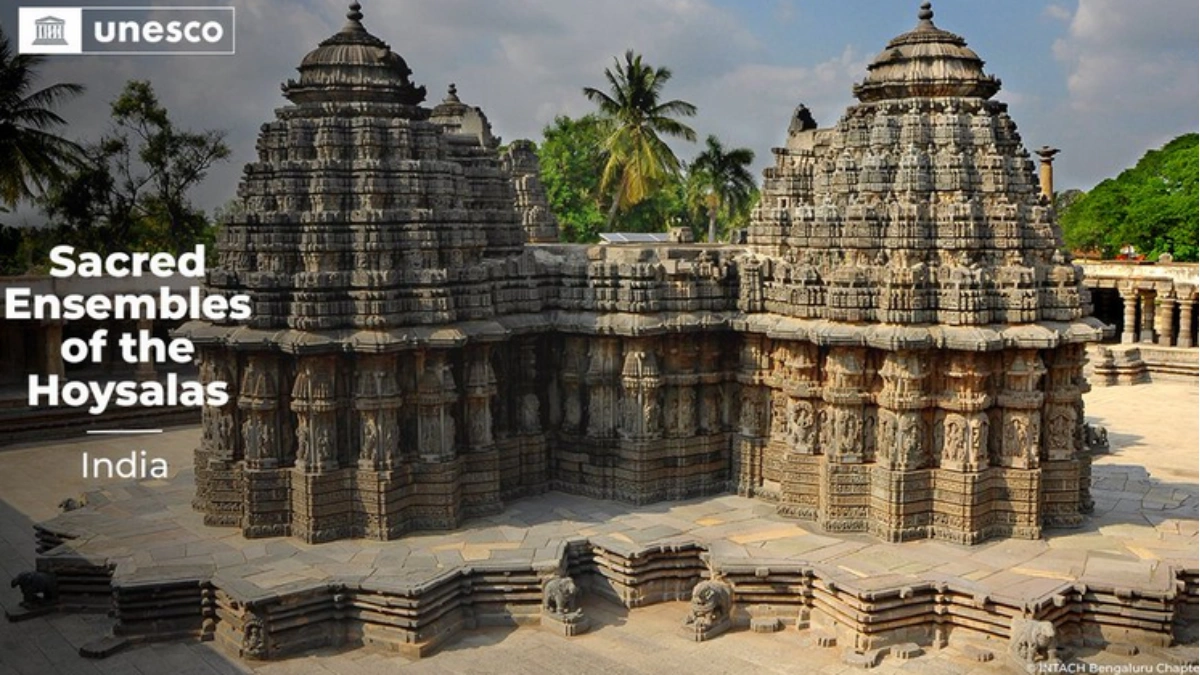
Hoysala architecture
India’s cultural heritage has always been vast, layered, and deeply rooted in history. But every once in a while, a global recognition reminds us of something we often overlook—the true value of what we already have.
That moment came when the sacred Hoysala temple complexes of Karnataka were officially included in the UNESCO World Heritage List.
At first glance, this may seem like just another addition to a long list of heritage sites. But if you look deeper, this recognition carries far more meaning—both culturally and emotionally.
From Shantiniketan to Hoysala: A Moment of Cultural Momentum
Just days before this announcement, Shantiniketan in West Bengal was also added to the UNESCO list.
This back-to-back recognition is not a coincidence. It reflects a growing global acknowledgment of India’s intellectual and artistic legacy.
With the inclusion of Hoysala temples, India’s total number of World Heritage Sites has now reached 42, placing it among the top countries globally in terms of cultural recognition.
But numbers alone don’t tell the story.
What Makes Hoysala Temples So Special
The Hoysala temples are not just places of worship. They are masterpieces of human creativity.
Built during the 12th and 13th centuries under the Hoysala Empire, these temples reflect a level of craftsmanship that still feels almost impossible today.
The three key temple sites included in this recognition are:
- Chennakeshava Temple
- Hoysaleswara Temple
- Keshava Temple
Each of these temples tells a story—not through words, but through stone.
Architecture That Feels Alive
Here’s where things get truly fascinating.
Hoysala architecture is known for:
- Intricate carvings that cover almost every surface
- Star-shaped platforms that create unique visual geometry
- Detailed sculptures depicting mythology, daily life, and nature
- Precision so fine that even modern tools struggle to replicate it
When you stand in front of these temples, it doesn’t feel like you’re looking at stone. It feels like you’re looking at frozen motion—stories captured mid-action.
A Strong Opinion: We Celebrate Too Late
Let’s be honest.
India often waits for international validation before fully appreciating its own heritage.
These temples have existed for over 800 years.
Their beauty has never changed.
Their craftsmanship has always been extraordinary.
Yet, it is only after UNESCO recognition that many people start noticing them.
This raises an important question:
Why do we need global approval to value our own history?
The Craftsmanship That Deserves Global Respect
Prime Minister Narendra Modi called this recognition a moment of pride, highlighting the extraordinary craftsmanship of our ancestors.
And rightly so.
The artisans who built these temples did not have:
- Modern machinery
- Digital design tools
- Advanced engineering software
What they had was:
- Skill
- Patience
- Vision
Every carving reflects hours, days, and perhaps months of effort.
This is not just architecture—it is devotion in physical form.
The Global Decision Behind the Recognition
The inclusion of Hoysala temples in the World Heritage List was decided during the 45th session of the UNESCO World Heritage Committee held in Riyadh.
A committee of 21 countries participated in the decision, including nations from different continents.
This global consensus highlights something important:
- The value of Hoysala architecture is not just Indian—it is universal
- It represents human creativity at its peak
Why This Recognition Truly Matters
Beyond pride, this recognition has real impact.
1. Preservation Efforts Increase
UNESCO status brings global attention, which helps in better conservation and funding.
2. Tourism Growth
More international travelers become aware of these sites, boosting local economies.
3. Cultural Awareness
Younger generations start learning about their heritage with renewed interest.
Also read: World Heritage Sites: शांतिनिकेतन (Santiniketan) UNESCO की विश्व धरोहर सूची में शामिल
But Recognition Alone Is Not Enough
Here’s another important point.
UNESCO status is a beginning—not a final achievement.
If not managed properly:
- Increased tourism can damage delicate structures
- Commercialization can dilute cultural value
- Maintenance challenges can grow
India must ensure that preservation comes before promotion.
India’s Position in Global Heritage
With 42 World Heritage Sites:
- 34 are cultural
- 7 are natural
- 1 is mixed
India currently ranks among the top countries globally in heritage listings.
But the real strength lies not in ranking—but in diversity.
From temples and forts to forests and mountains, India’s heritage reflects a wide range of human and natural achievements.
A Personal Reflection: Why This Matters Today
In a fast-moving world, where everything is becoming digital and temporary, places like Hoysala temples remind us of something important:
- True greatness takes time
- Real art requires patience
- Legacy is built, not rushed
These temples have survived centuries of change, yet they still stand strong.
That is not just history—it is a lesson.
What We Should Learn From This
There are valuable takeaways beyond tourism and recognition:
- Respect the past, but also understand it
- Preserve heritage, not just showcase it
- Learn from craftsmanship, not just admire it
The inclusion of Hoysala temples in the UNESCO World Heritage List is more than an achievement.
It is a reminder.
A reminder that India’s past holds incredible depth.
A reminder that true artistry does not fade with time.
And most importantly, a reminder that we must value our heritage—not because the world recognizes it, but because it defines who we are.
Because in the end, these temples are not just monuments.
They are stories carved in stone—waiting to be understood, not just seen.
🔴BREAKING!
Just inscribed on the @UNESCO #WorldHeritage List: Sacred Ensembles of the Hoysalas, #India 🇮🇳. Congratulations! 👏👏
➡️ https://t.co/69Xvi4BtYv #45WHC pic.twitter.com/Frc2IGlTkf
— UNESCO 🏛️ #Education #Sciences #Culture 🇺🇳 (@UNESCO) September 18, 2023