
Why Fit Athletes Still Suffer Sudden Heart Attacks
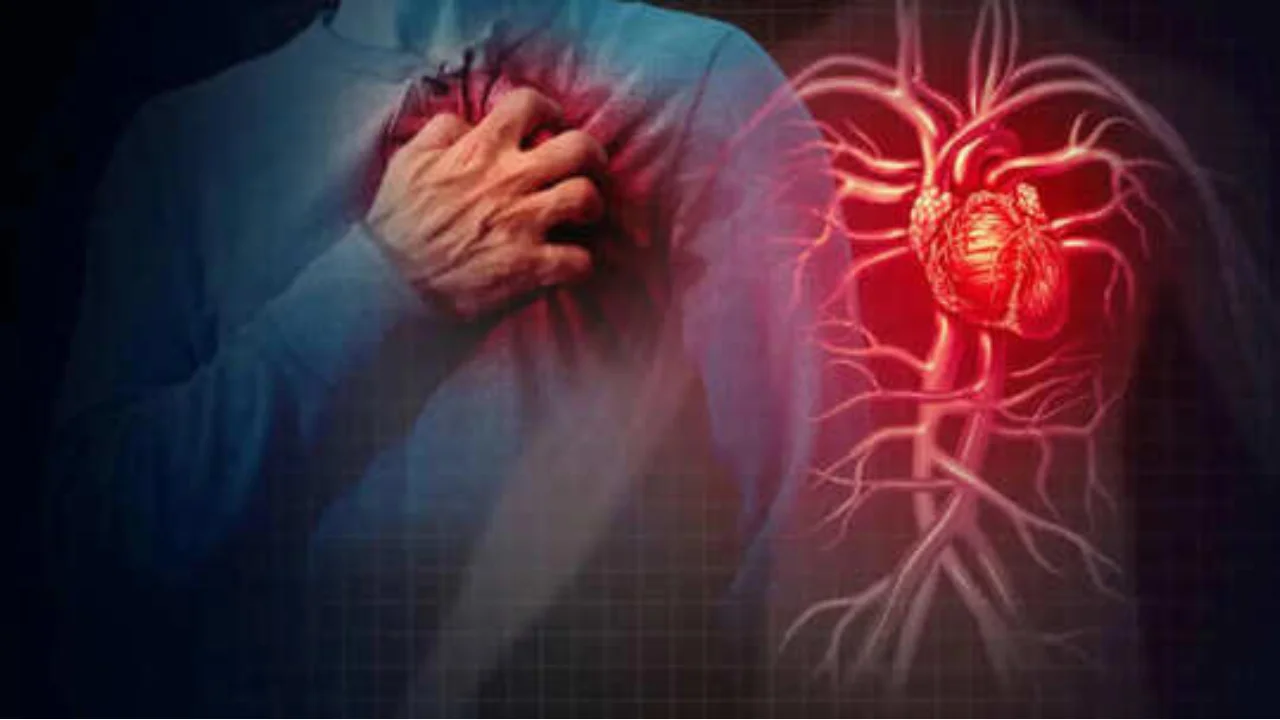
Heart Attacks
Sudden Heart Attacks: There are lots of cases happening of sudden heart attack. Lots of young people and athlete are facing cardiac failure. It maybe that our human body is not as strong as it was earlier before taking the coronavirus vaccine. It is only assumiton by lots of residents if Delhi and Noida. Lots of Bollywood celebrities have lots their lives due to heart attacks. The sudden death of former Karnataka cricketer SL Akshay during a cricket match in Bengaluru has shocked the sporting community and sparked an uncomfortable but important conversation: why are seemingly fit and healthy athletes suffering heart attacks and sudden cardiac arrests?
Akshay, only 39 years old, reportedly felt uneasy after bowling multiple overs during a local league match before collapsing on the field. He belonged to Karnataka’s successful Ranji Trophy era and was known for maintaining an active lifestyle. For many people, his death became another painful reminder that physical fitness alone does not always guarantee heart protection.
Over the past few years, several incidents involving athletes, marathon runners, gym enthusiasts, and young professionals collapsing due to cardiac events have raised growing concerns among doctors and cardiologists worldwide. What makes these cases especially alarming is that many victims appear outwardly healthy, lean, disciplined, and highly active.
Medical experts say the reality is far more complex than simply being “fit” or “unfit.” A person may have excellent stamina, visible muscle tone, and athletic performance while still carrying hidden cardiovascular risks silently developing inside the body for years.
Why athletes can still develop heart problems
Doctors explain that athletes are not immune to heart disease. In fact, some conditions remain undetected precisely because physically active individuals often ignore subtle warning signs or assume their fitness protects them from major health problems.
One of the biggest dangers is silent cardiovascular disease — conditions that progress quietly without producing obvious symptoms until a serious event occurs.
Some hidden risk factors include:
- Arterial plaque buildup
- Genetic predisposition to heart disease
- Abnormal cholesterol levels
- Silent high blood pressure
- Chronic inflammation
- Insulin resistance
- Heart rhythm abnormalities (arrhythmias)
- Overtraining stress
- Severe dehydration
- Poor sleep and recovery
These issues may exist even in athletes who maintain strict diets and intense training schedules.
Cardiologists warn that intense physical exertion can sometimes act as a trigger in individuals with underlying heart abnormalities. During high-intensity activity, the heart works harder, oxygen demand rises sharply, and electrical instability inside the heart may increase.
Also read: Panic Attacks: Symptoms, Causes & Expert Tips
If an athlete already has hidden plaque or an undiagnosed rhythm disorder, strenuous exercise can suddenly turn dangerous.
Understanding sudden cardiac arrest in athletes
Many people confuse a heart attack with sudden cardiac arrest, but doctors say they are not exactly the same.
A heart attack typically occurs when blood flow to part of the heart becomes blocked due to narrowed or clogged arteries. Sudden cardiac arrest, on the other hand, happens when the heart suddenly stops beating effectively because of an electrical malfunction.
In cardiac arrest, the heart’s rhythm becomes chaotic and fails to pump blood properly to the brain and vital organs. Without immediate CPR and defibrillation, death can occur within minutes.
Sports medicine experts say sudden cardiac arrest is one of the leading causes of death in athletes during competition or training. In many cases, the individual may not even know they have an underlying heart condition.
Conditions commonly linked to cardiac arrest in athletes include:
- Hypertrophic cardiomyopathy
- Coronary artery disease
- Myocarditis
- Congenital heart defects
- Electrical rhythm disorders
- Scar tissue in the heart muscle
Some of these conditions are inherited and may remain completely silent until extreme physical stress exposes them.
Why Indians may face higher cardiac risks
Cardiologists say Indians may be particularly vulnerable to early heart disease due to a combination of genetic and metabolic factors.
Even individuals who appear slim and athletic can develop dangerous visceral fat around internal organs. This type of fat is strongly associated with inflammation, insulin resistance, elevated triglycerides, and premature artery disease.
Experts note that South Asians often develop cardiovascular disease nearly a decade earlier than many Western populations.
That means a physically active person in their 30s or 40s may still face significant cardiac risk despite appearing healthy from the outside.
Modern lifestyles are also adding pressure to the heart. Long working hours, mental stress, inadequate sleep, dehydration, poor recovery, and performance expectations may silently damage cardiovascular health over time.
In competitive sports, overtraining can become another serious problem.
Many athletes push their bodies beyond healthy recovery limits. While exercise is essential for long-term heart health, excessive training without proper recovery may increase inflammation and place repeated strain on the cardiovascular system.
The danger of hidden plaque buildup
Doctors say one of the most overlooked threats is silent plaque accumulation inside the arteries.
Plaque is made up of cholesterol, fat, calcium, and inflammatory substances that gradually narrow blood vessels. In many cases, the process develops over years without noticeable symptoms.
Athletes may continue performing at high levels because their cardiovascular conditioning temporarily compensates for reduced blood flow.
However, during intense activity, rising blood pressure and increased heart demand can destabilize plaque inside the arteries. If a plaque ruptures, it may suddenly block blood flow and trigger a massive heart attack or fatal arrhythmia.
This is why even marathon runners and professional athletes can sometimes collapse unexpectedly despite years of training.
Warning signs athletes should never ignore
Doctors emphasize that athletes often dismiss symptoms because they assume fatigue or discomfort is part of intense training. Unfortunately, ignoring early signs can sometimes prove fatal.
Medical evaluation becomes essential if a person experiences:
- Chest pain or pressure
- Unexplained breathlessness
- Dizziness during exercise
- Palpitations
- Fainting episodes
- Extreme fatigue
- Reduced stamina
- Irregular heartbeat
- Recovery problems after workouts
A family history of sudden death or early heart disease should also never be ignored.
Even mild symptoms deserve attention, especially in individuals over 30 who regularly participate in high-intensity sports or endurance activities.
Why regular heart screening matters
Cardiologists increasingly recommend preventive heart screening for athletes and highly active adults, particularly after the age of 30.
Routine evaluations can help detect silent cardiovascular disease before tragedy strikes.
Common screening tests include:
- Blood pressure monitoring
- Lipid profile tests
- Blood sugar and insulin testing
- Electrocardiogram (ECG)
- Echocardiogram
- Stress testing
- Coronary calcium scoring in selected individuals
Doctors say early detection remains one of the strongest tools for preventing sudden cardiac deaths.
Importantly, experts continue to stress that exercise itself is not the enemy. Regular physical activity remains one of the best ways to maintain heart health, control weight, reduce stress, and improve longevity.
The problem arises when hidden medical conditions go undetected or when individuals ignore recovery, sleep, nutrition, hydration, and medical checkups.
A tragic reminder for everyone
The death of SL Akshay has deeply saddened cricket fans and former teammates, but it has also reignited awareness about athlete heart health in India.
His passing highlights an uncomfortable truth: heart disease can sometimes remain hidden even in the fittest bodies.
Fitness, athletic appearance, and physical performance do not always reveal what is happening inside the arteries or electrical system of the heart.
Doctors say awareness, timely screening, balanced training, proper recovery, and listening to warning signs may save lives.
As more cases of sudden cardiac arrest emerge among young and active individuals, experts believe the conversation around preventive heart care is more important now than ever before.Heart Attacks