
10 Causes of Yellow Teeth and How to Prevent Them Naturally
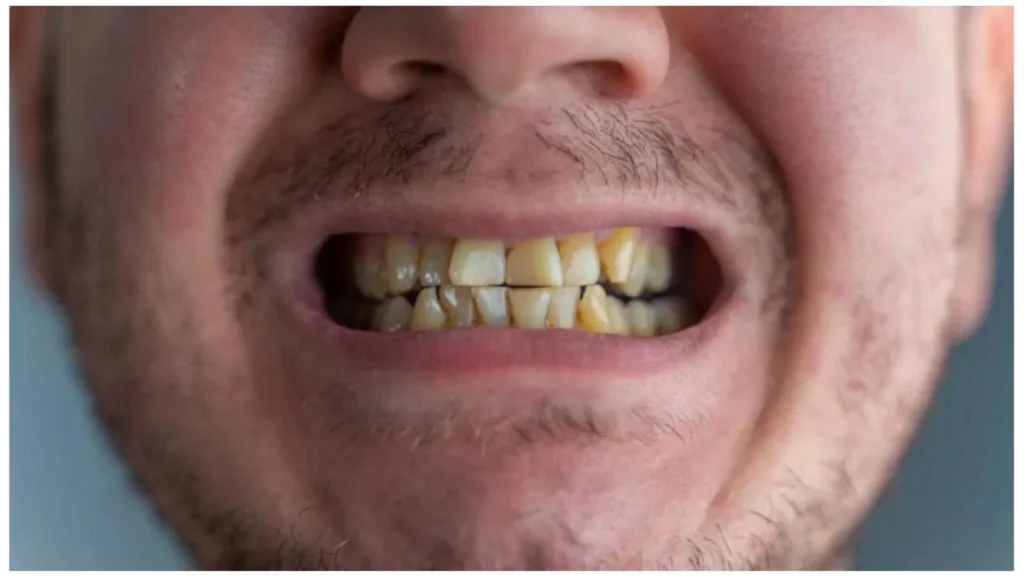
Yellow Teeth Causes
Causes of Yellow Teeth: A clean, bright smile can instantly boost confidence—but for many people, yellowing teeth become a frustrating concern over time. You might brush regularly, avoid sweets, and still notice that your teeth aren’t as white as you’d like. The truth is, tooth discoloration is not caused by just one factor. It’s usually the result of multiple lifestyle habits, natural changes, and even hidden health influences.
To understand why teeth turn yellow, it helps to know how teeth are structured. The outer layer, called enamel, is responsible for protecting your teeth and giving them their white appearance. Beneath it lies dentin, which has a naturally yellow shade. When enamel becomes thinner or stained, the dentin starts to show through—making teeth look yellow.
Let’s break down the real reasons behind yellow teeth and explore practical, effective ways to prevent it.
1. Your Daily Diet Matters More Than You Think
What you eat and drink every day has a direct impact on your teeth. Dark-coloured beverages like coffee, tea, and cola are among the biggest culprits. These drinks contain pigments that attach to enamel and slowly build up over time.
It’s not just drinks—foods like berries, tomato-based sauces, soy sauce, and turmeric-rich dishes can also contribute to staining. Even healthy foods can sometimes leave behind colour deposits.
What you can do:
You don’t have to eliminate these foods completely. Instead, rinse your mouth with water after consuming them. Drinking through a straw (for beverages) and brushing at the right time can also reduce staining.
2. Smoking and Tobacco Use
Tobacco is one of the most aggressive causes of tooth discoloration. The chemicals in cigarettes and chewing tobacco—especially nicotine and tar—stick to the enamel and create deep stains that are difficult to remove.
Over time, these stains can turn from yellow to dark brown, affecting both appearance and oral health.
What you can do:
Quitting tobacco is the most effective solution. Not only will it improve your smile, but it will also benefit your overall health.
3. Ageing and Natural Wear
Even with perfect habits, teeth naturally change colour as you age. Enamel slowly wears down over the years due to chewing, brushing, and exposure to acidic foods.
As enamel thins, the underlying dentin becomes more visible, giving teeth a yellowish tint.
What you can do:
While ageing cannot be stopped, regular dental cleanings and gentle care can help preserve enamel for longer.
Also read: Benefits of Lemon in Summer
4. Genetics Play a Role
Some people are simply born with teeth that are slightly more yellow than others. Genetics can influence enamel thickness, colour, and resistance to staining.
This means that even with excellent oral care, some individuals may never achieve a “bright white” smile naturally.
What you can do:
Focus on maintaining healthy teeth rather than chasing unrealistic whitening standards.
5. Health Conditions and Early Development
Certain medical conditions can affect tooth colour, especially if they occur during childhood when teeth are still forming. Issues related to enamel development or nutrient deficiencies can result in long-term discoloration.
Illnesses that cause high fever or complications at birth may also impact the way teeth develop.
What you can do:
Early dental check-ups for children and proper nutrition can help prevent long-term issues.
6. Inconsistent Oral Hygiene
Skipping brushing or flossing even occasionally can lead to plaque buildup. Over time, plaque hardens into tartar, which has a yellowish tone and sticks firmly to teeth.
This buildup not only affects colour but also increases the risk of cavities and gum problems.
What you can do:
Stick to a simple routine—brush twice daily, floss once a day, and rinse with a suitable mouthwash.
7. Teeth Grinding (Bruxism)
Many people grind their teeth without even realizing it, especially during sleep. This habit slowly wears down enamel, exposing the dentin underneath.
It can also lead to tooth sensitivity and jaw discomfort.
What you can do:
If you suspect grinding, consult a dentist. A custom night guard can protect your teeth and prevent further damage.
8. Medications and Treatments
Some medicines can affect the colour of your teeth, particularly when taken over long periods. Certain antibiotics, for example, are known to cause discoloration when used during early childhood.
Medical treatments like chemotherapy or radiation can also impact oral health, including tooth colour.
What you can do:
If you’re on long-term medication, discuss possible side effects with your doctor or dentist. Preventive care can reduce visible impact.
9. Misuse of Whitening or Dental Products
Ironically, trying too hard to whiten your teeth can sometimes backfire. Overusing whitening products or using them incorrectly can damage enamel, making teeth look dull or yellow.
Some mouthwashes and dental solutions may also contain ingredients that stain teeth when used excessively.
What you can do:
Use dental products as directed and avoid overuse. Professional advice is always safer when trying whitening treatments.
10. Tooth Injury or Damage
A fall, accident, or sports injury can damage the inner part of a tooth. This may cause the tooth to change colour over time, sometimes turning yellow or even grey.
Unlike surface stains, this type of discoloration comes from within and usually requires professional treatment.
What you can do:
Seek dental care immediately after any injury, even if the damage isn’t visible right away.
Simple Habits for a Brighter Smile
Maintaining white teeth doesn’t require complicated routines. Small, consistent habits can make a big difference:
- Drink plenty of water to wash away food particles
- Limit sugary and acidic foods
- Eat crunchy fruits and vegetables like apples and carrots
- Avoid brushing immediately after acidic meals (wait 20–30 minutes)
- Visit your dentist regularly for cleanings
Yellow teeth are more common than you might think—and they’re not always a sign of poor hygiene. From diet and ageing to genetics and medical factors, many elements contribute to tooth colour.
The key is awareness. When you understand the root cause, you can take the right steps to prevent further discoloration. A healthy smile is not just about appearance—it reflects your overall lifestyle and well-being.
Tip by Poonam Bhatia: A user named Poonam Bhatia apply lemon on teeth to get white teeth and it started working slowly.
With the right care and consistent habits, you can protect your enamel, reduce staining, and keep your smile looking naturally bright.