The Silent Epidemic: Circadian Rhythm Disruption in Modern Work
Is your job destroying your biological clock? Learn the science of circadian rhythm disruption, how blue light alters sleep, and how to reset your internal clock.
Circadian Rhythm Disruption
We live in a world that never sleeps. The modern global economy runs on 24-hour cycles, fueled by high-speed fiber-optic internet, international shift schedules, and deadlines that cross multiple time zones. To meet these demands, corporate professionals, gig workers, and students alike have fundamentally altered their daily schedules. We work late into the night under bright fluorescent office lights, catch up on emails from our beds while staring at glowing smartphone screens, and rely on synthetic stimulants like caffeine to push through chronic midday fatigue.
While this non-stop productivity model has transformed global commerce, it has extracted a massive, silent toll on human biology. Inside every single human being sits a highly advanced, genetically hardcoded timing system known as the Circadian Rhythm. This internal biological clock dictates almost every vital process in our bodies, from hormone production and digestion to cellular repair and cognitive function.
By forcing our bodies to conform to an unnatural, hyper-connected work culture, we have triggered a silent epidemic of Circadian Rhythm Disruption. This chronic misalignment between our internal biological time and our external social time is no longer just a minor sleep issue; it is a major public health crisis.
In this comprehensive health feature, we will analyze the scientific architecture of your internal clock, explore how modern work habits destroy it, and provide a highly practical guide to reclaiming your biological alignment.
The Master Clock: How Your Biology Keeps Time
To understand how disruption occurs, we must first look at how the human body keeps time. Deep inside the brain, within a region called the hypothalamus, sits a tiny cluster of roughly 20,000 neurons known as the Suprachiasmatic Nucleus (SCN). The SCN acts as the body’s master clock.
The primary input that regulates this master clock is environmental light. When morning sunlight hits the specialized photosensitive cells in your eyes, a direct neural pathway signals the SCN that the day has begun. In response, the SCN orchestrates a massive hormonal shift: it suppresses the production of melatonin (the sleep hormone) and orders a surge of cortisol and core body temperature to wake you up, sharpen your focus, and fuel your metabolism.
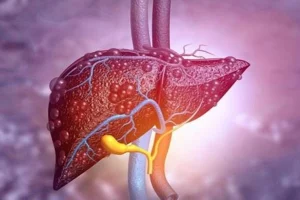
As darkness falls, the lack of light signals the SCN to reverse this process. Cortisol drops, body temperature decreases, and the pineal gland begins flooding your bloodstream with melatonin, opening the gateway for deep, restorative sleep. Every organ in your body—your liver, your gut, your heart—possesses its own peripheral molecular clock that listens directly to the instructions sent by the SCN master clock.
Also read: Discover Yoga Benefits
4 Ways Modern Work Culture Destroys the Master Clock
Modern corporate environments are almost perfectly designed to fracture this delicate internal synchronization. Here are the four primary drivers of this modern epidemic:
1. The Overuse of Artificial Blue Light
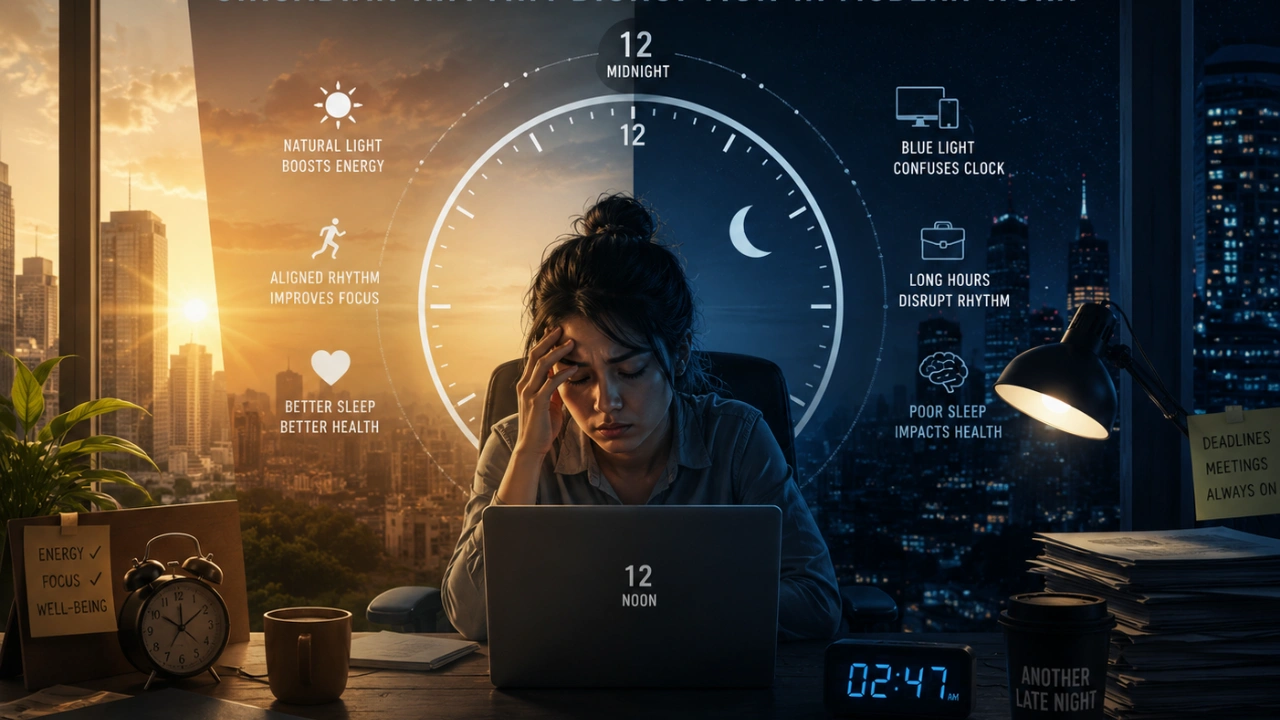
Our ancestors spent their evenings in darkness or under the warm, low-intensity glow of firelight, neither of which disrupted the SCN. Today, our offices and homes are packed with Light Emitting Diode (LED) screens, laptops, and smartphones that emit high-intensity blue light (wavelengths around 460–480 nanometers).
-
The Vulnerability: Blue light matches the exact spectrum of midday sunlight. When you scroll through social media or work on a presentation in bed at 11:00 PM, your retinal cells trick the SCN into believing it is noon. The brain instantly halts melatonin production, trapping your body in an artificial daytime state and severely delaying your sleep onset cycle.
2. Chronic “Social Jetlag” and Shift Work
Millions of professionals experience what sleep scientists call Social Jetlag—the drastic difference between a person’s sleep schedule on workdays versus free days.
-
The Vulnerability: If you wake up at 6:00 AM from Monday to Friday but sleep in until 11:00 AM on weekends, you are effectively forcing your internal biological clock to travel across 5 time zones every single weekend. For permanent shift workers or night-shift employees, the problem multiplies. Their biology is forced to fight a continuous, exhausting battle against the natural solar cycle, leading to long-term systemic inflammation.
3. The Endless Caffeine Cycle
Caffeine is the fuel of the modern corporate machine, but its misuse creates a dangerous feedback loop. Caffeine works by blocking adenosine receptors in the brain. Adenosine is a chemical that naturally accumulates in your nervous system every hour you are awake, creating a natural “sleep pressure.”
-
The Vulnerability: When you consume high doses of caffeine late in the afternoon to survive a late shift, you artificially mask this sleep pressure. Because caffeine has a metabolic half-life of roughly 5 to 7 hours, a significant amount remains active in your brain at midnight, preventing your body from entering deep, slow-wave sleep phases.
4. Delayed Late-Night Metabolism
Modern work culture has pushed dinner times later and later. Eating a heavy, calorie-dense meal at 10:00 PM under bright lights creates a massive conflict within your peripheral biological clocks. While your brain’s master clock knows it is nighttime, your liver and digestive clocks are suddenly forced to activate to process nutrients. This internal desynchronization disrupts insulin sensitivity and causes metabolic confusion.
The Long-Term Health Consequences
When your internal clocks are out of sync for months or years, the biological damage spreads far beyond simple daytime grogginess. Clinical research has definitively linked chronic circadian disruption to a host of severe systemic conditions:
-
Metabolic Disorders: Disrupted sleep schedules alter the hunger hormones leptin and ghrelin, causing intense cravings for high-carbohydrate foods. It severely reduces insulin sensitivity, drastically increasing the long-term risk of Type 2 diabetes and obesity.
-
Cardiovascular Strain: During normal, aligned sleep, your blood pressure naturally dips by 10% to 20% to allow the cardiovascular muscle to rest. Circadian disruption prevents this natural dip, leading to chronic vascular tension and an elevated risk of hypertension and strokes.
-
Cognitive and Mood Decline: Deep sleep is the brain’s natural waste-clearance phase. Without it, metabolic toxins accumulate, leading to brain fog, impaired memory consolidation, severe mood swings, anxiety, and a significantly higher vulnerability to clinical depression.
The Realignment Protocol: Reclaiming Your Biological Clock
You do not have to quit your job or move to a remote wilderness to fix your internal clock. By implementing a few highly disciplined, scientifically proven behavioral changes, you can successfully shield your circadian rhythm from modern work pressures:
1. Secure Your Morning Light Anchor
To fix your nighttime sleep, you must fix your morning routine. Within 30 minutes of waking up, step outside into direct, natural sunlight for 10 to 15 minutes. Even on a cloudy day, outdoor light delivers significantly more lux (light intensity) than the brightest indoor office bulbs. This morning light anchor sets a hard timer for your SCN, boosting daytime alertness and ensuring natural melatonin production begins smoothly 14 hours later.
2. Implement a Strict Digital Sunset
Create a clean buffer zone between your working hours and your sleeping hours. Establish a non-negotiable “Digital Sunset” at least 60 to 90 minutes before your target sleep time. Turn off bright overhead lights and switch to low-level, warm lamps. Put away your laptop and smartphone. If you absolutely must look at a screen for an urgent work emergency, use heavy blue-light-blocking software or high-quality orange-tinted glasses to protect your retinal pathways.
3. Maintain Schedule Consistency (Even on Weekends)
Try to minimize your social jetlag by keeping your wake-up time consistent within a strict 60-minute window across the entire week. If you need to catch up on sleep over the weekend, do it by going to bed slightly earlier the night before, rather than sleeping in late into the next morning and resetting your SCN’s baseline timing.
4. Create a Fixed Caffeine and Dining Cut-off
Establish a hard baseline for what enters your digestive tract. Consume your last cup of coffee or caffeinated tea at least 8 to 10 hours before you plan to sleep. Similarly, finish your final meal of the day at least 3 hours before bed, giving your liver and metabolic clocks ample time to wind down before your brain initiates its nocturnal repair cycle.
In Short: Designing a Bio-Harmonious Life
Your circadian rhythm is not an optional lifestyle preference; it is a fundamental pillar of human survival. While modern work culture will always demand more of your time and energy, true professional longevity and personal health require you to set boundaries around your biology. By anchoring your mornings in natural light, respecting the digital sunset, and managing your intake, you can easily build a high-performing career without sacrificing the master clock that keeps you alive.
Working late and sleeping in on weekends isn’t just “catching up”—it creates a severe biological state called Social Jetlag.https://t.co/hPJcUIuzfz#CircadianRhythm #SleepScience
— genxsoft (@genxsoftinfo) June 24, 2026