7 Best Museums in Delhi NCR for History Lovers
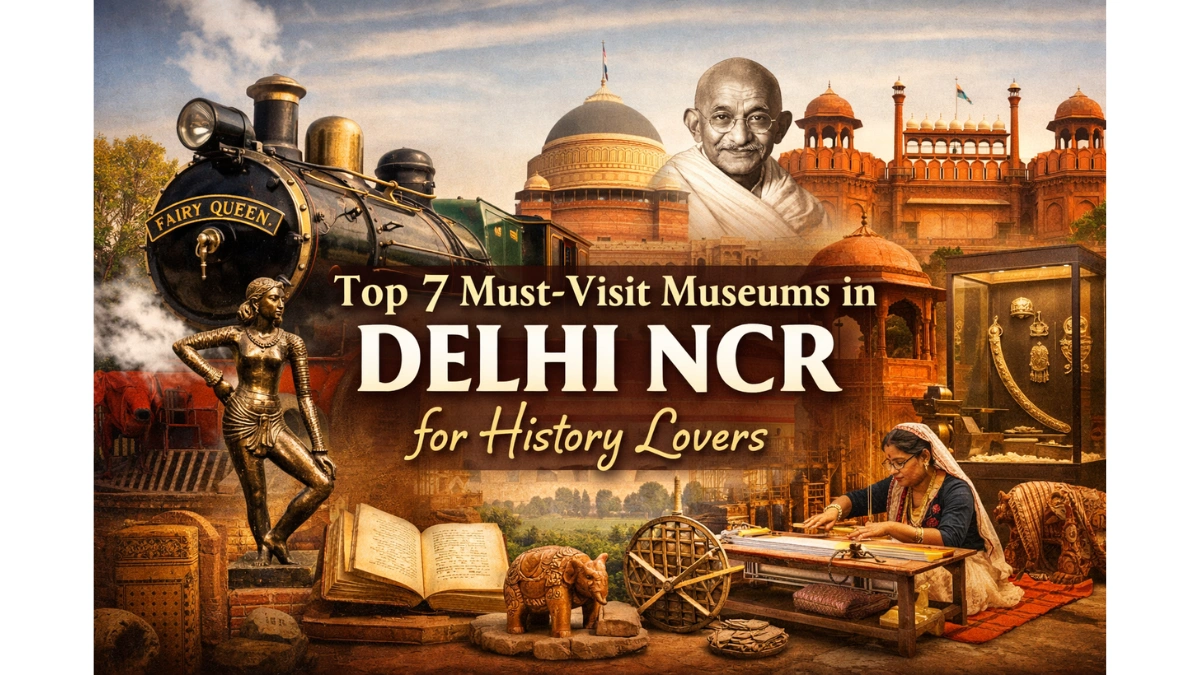
Best Museums in Delhi
Delhi is more than just India’s capital—it’s a city where time overlaps. Walk a few kilometres and you move from Mughal grandeur to colonial architecture to modern India. But if you really want to understand the story behind these layers—not just see them—you need to step inside its museums.
In an age where attention spans are shrinking and history is often reduced to social media snippets, museums matter more than ever. They slow you down. They give context. They remind you that the present didn’t appear overnight—it was built, shaped, and sometimes broken over centuries.
Delhi NCR is home to some of India’s finest museums, each offering a unique lens into the country’s journey. Here are seven that don’t just display history—they make you feel it.
1. National Museum, Janpath – Where India’s Story Begins
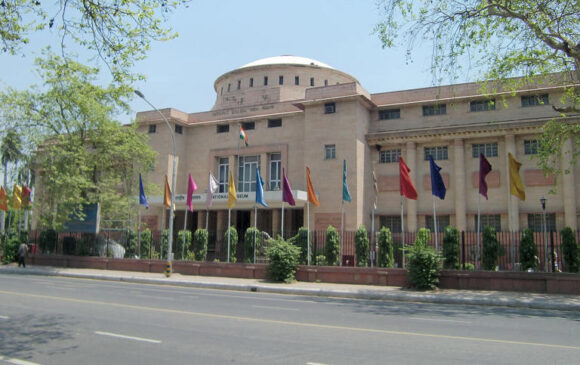
If you visit only one museum in Delhi, make it this one.
The National Museum isn’t just a building filled with artifacts—it’s a timeline of over 5,000 years. From the Indus Valley Civilisation to the rise of empires, it connects the dots of India’s vast past in a way few places can.
One of its most famous exhibits, the Dancing Girl bronze statue, is over 4,000 years old—yet it still feels modern in its attitude and posture. That’s the magic of history here: it doesn’t feel distant.
With over 200,000 artifacts (though only a fraction is on display), the museum offers a powerful reminder of how diverse and layered Indian civilisation truly is. Spending a few hours here can change how you see the country itself.
2. Rashtrapati Bhavan Museum – Democracy, Reimagined
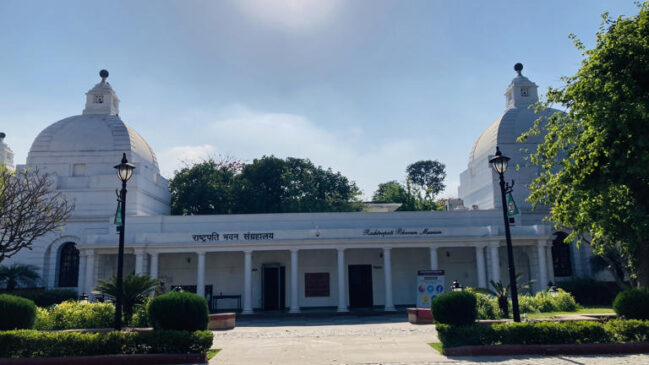
This museum feels nothing like a traditional one—and that’s exactly the point.
Located within the Presidential Estate, it uses immersive technology like augmented reality, holograms, and interactive storytelling to bring India’s democratic journey to life. You don’t just read about history—you experience it.
It traces the transformation from the British Viceroy’s House to the home of the President of India. Along the way, you see gifts from world leaders, learn about constitutional milestones, and get a rare glimpse into how the world’s largest democracy functions.
At a time when civic awareness is crucial, this museum quietly teaches why institutions matter.
3. Gandhi Smriti – A Place That Stays With You
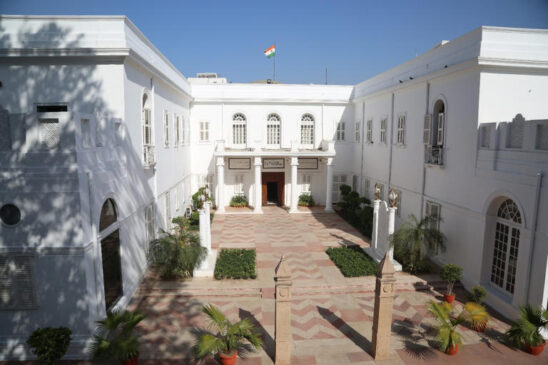
Some places don’t need grand displays to leave an impact. Gandhi Smriti is one of them.
This is where Mahatma Gandhi spent the last 144 days of his life—and where he was assassinated in 1948. The atmosphere is calm, almost silent, but deeply powerful.
What stays with most visitors is the marked path of his final footsteps leading to the prayer ground. It’s simple, but it hits hard. You don’t just learn about history here—you feel its weight.
In today’s fast-moving world, spaces like this force reflection. They remind us of values like non-violence, patience, and truth—ideas that often feel rare but remain essential.
4. Prime Minister’s Museum & Library – India’s Political Journey
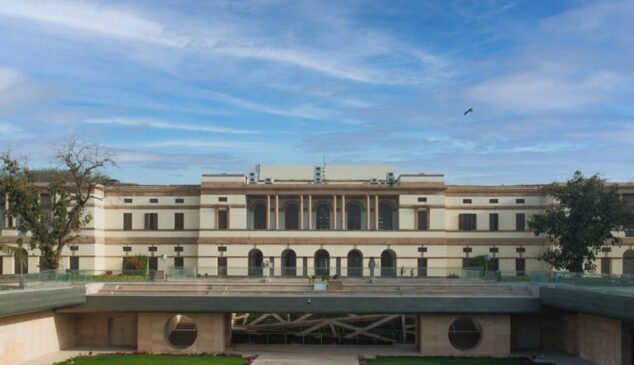
India’s story after independence is just as complex as its ancient past—and this museum captures that evolution beautifully.
Housed in Teen Murti Bhavan, once the residence of Jawaharlal Nehru, the museum now covers the lives and contributions of all Indian Prime Ministers. It blends preserved history with modern exhibits, offering a balanced look at leadership, policy, and nation-building.
What makes it special is perspective. Instead of focusing on one figure, it shows how different leaders shaped India in different ways—sometimes in agreement, sometimes in conflict.
For anyone trying to understand modern India, this place is essential.
5. National Rail Museum – The Backbone of a Nation
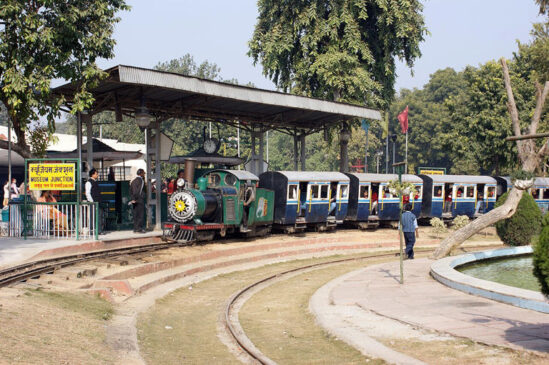
India’s railways are more than just transport—they are the threads that connect the country.
Spread over 10 acres, the National Rail Museum tells the story of how trains transformed India socially and economically. From colonial-era steam engines to royal saloons, the collection is both nostalgic and impressive.
The Fairy Queen, one of the world’s oldest working steam locomotives, is a major highlight. But beyond the exhibits, the museum shows how railways helped unify a vast and diverse nation.
Even today, Indian Railways carries over 20 million passengers daily. That scale alone makes this story worth exploring.
6. Red Fort Archaeological Museum – Life Inside the Empire
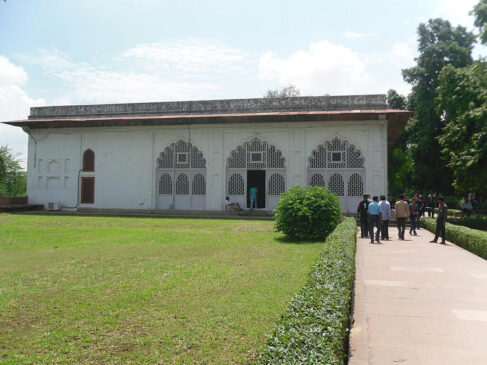
Most people visit the Red Fort for its architecture—but few take the time to understand what life inside it was actually like.
This museum, located within the fort complex, fills that gap. It focuses on the Mughal era, especially during Shah Jahan’s reign, offering a closer look at court life, art, and culture.
From royal garments to intricate miniature paintings, the exhibits reveal a world of refinement, power, and political intrigue.
It’s the difference between seeing a monument and understanding its story.
7. National Crafts Museum – Where Culture Lives
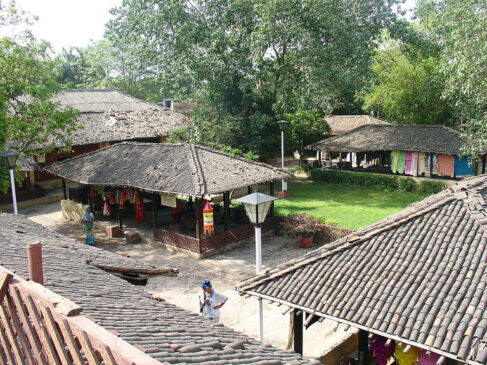
History isn’t just about kings and wars—it’s also about people, traditions, and everyday life. That’s where this museum shines.
The National Crafts Museum celebrates India’s living traditions—textiles, pottery, metalwork, and more. The recreated village complex is particularly engaging, giving visitors a feel of rural architecture from different states.
Unlike many museums, this one feels alive. Artisans often work on-site, showing how crafts are made, not just displayed.
At a time when handmade traditions are slowly being replaced by mass production, this museum quietly asks an important question: what do we lose when we forget our roots?
Why These Museums Matter Today
We live in a time of constant information—but very little depth. History is often reduced to headlines, debates, or quick facts.
Museums offer something different: context.
They help us understand not just what happened, but why it matters. They connect past decisions to present realities. And perhaps most importantly, they remind us that progress is never automatic—it’s built over time.
In a city like Delhi, where history is everywhere, museums act as guides. They turn scattered stories into a meaningful narrative.
And once you see that narrative clearly, you don’t look at the city—or the country—the same way again.