The Revival of Fermentation: How Ancient Food Traditions Are Transforming Modern Gut Health
Discover the biological science behind food fermentation. Learn how traditional staples like Kimchi, Kefir, and Sourdough transform your gut microbiome and immunity.
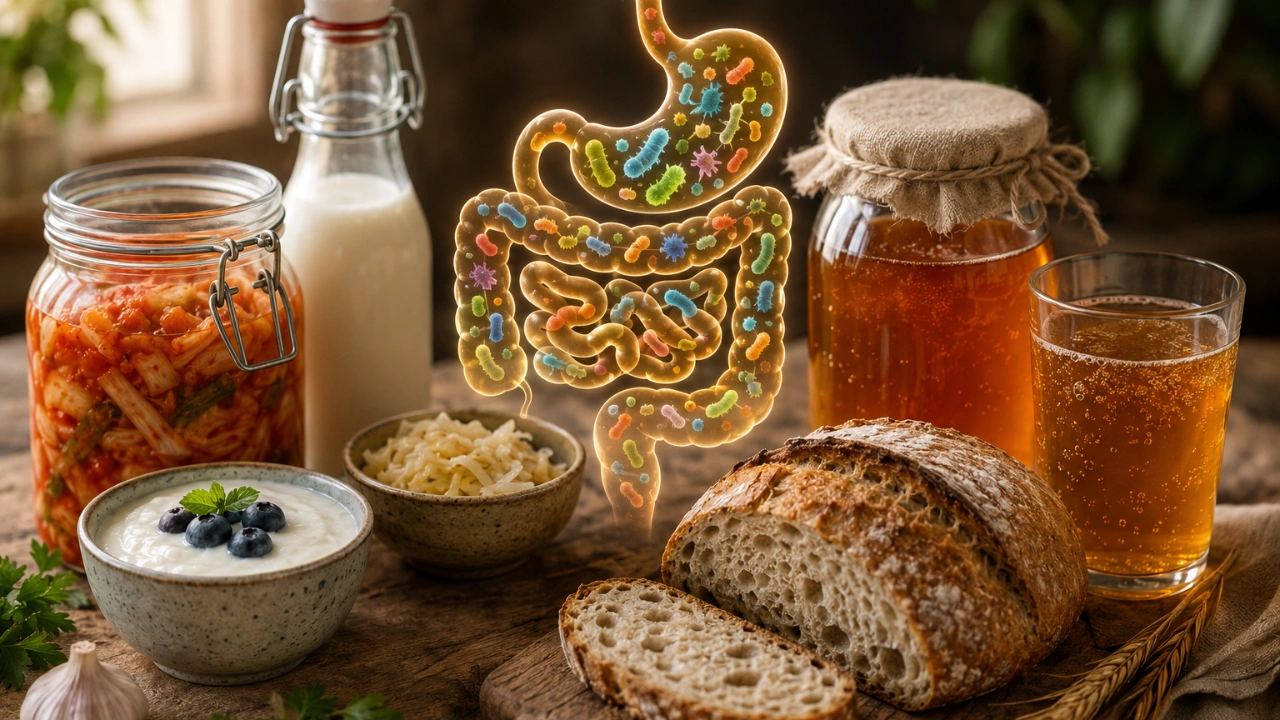
Food Fermentation
The Revival of Fermentation: In the modern urban supermarket, convenience rules supreme. The shelves are packed with ultra-processed, highly pasteurized, and preservative-laden food products designed to sit in plastic packaging for months without spoiling. While this industrial food system has made nutrition highly accessible and shelf-stable, it has introduced an unintended ecological disaster to the human digestive system. By systematically sterilizing our food supply to kill bad bacteria, we have accidentally wiped out the diverse communities of beneficial microscopic organisms that our bodies rely on to survive.
The consequences of this sterile diet are visible worldwide: a dramatic surge in chronic bloating, widespread food intolerances, compromised immune systems, and a general decline in daily metabolic energy.
To counter this modern dietary deficit, an underground culinary and nutritional revolution is gaining massive momentum globally. Health-conscious eaters, professional chefs, and clinical researchers are stepping away from industrial chemistry and looking back at the ancestral past.
The ancient art of Food Fermentation—historically used by almost every human civilization as a survival mechanism to preserve harvests before the invention of refrigeration—is experiencing a massive modern renaissance. Beyond its distinct, complex culinary appeal, modern science is discovering that fermented foods hold the ultimate biological key to restoring our fractured gut health.
In this deep-dive nutritional feature, we will analyze the biological science behind fermentation, explore how your gut microbiome controls your overall wellness, and provide a guide to integrating these living foods safely into your daily routine.
The Biological Alchemy of Fermentation
At its core, fermentation is a natural biochemical process where microscopic organisms—such as beneficial bacteria, wild yeasts, and fungi—consume the complex sugars and carbohydrates present in raw ingredients and convert them into organic acids, gases, or alcohol.
This is not decay; it is a highly controlled form of eco-friendly pre-digestion. During this molecular transformation, the microbes actively break down tough cellular structures and neutralize harmful anti-nutrients (like phytic acid found in grains and legumes) that typically cause digestive irritation.
The primary byproduct of this process is Lactic Acid, a natural preservative that creates a highly acidic environment where harmful, toxic pathogens cannot survive. In return, the food becomes enriched with a dense concentration of highly bioavailable vitamins, active enzymes, and billions of live, gut-loving microorganisms known as Probiotics.
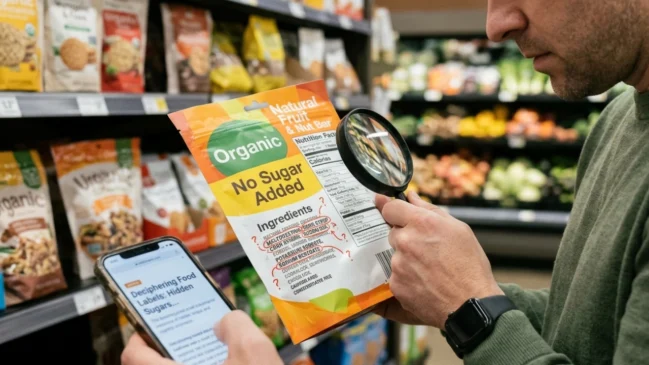
Also read: How to Spot Hidden Sugars and Chemical Preservatives in Packaged Foods
The Microbiome Connection: The Internal Engine of Wellness
To understand why fermented foods are transforming modern medicine, we must examine the internal landscape of the human gut. The lower digestive tract is home to the Gut Microbiome—a vast, complex ecosystem of over 100 trillion microorganisms weighing roughly two kilograms.
This internal rainforest does not just digest food; it functions as an independent, fully operational regulatory organ. Clinical gastroenterology has conclusively proven that a healthy, highly diverse microbiome is the foundational pillar for several vital bodily systems:
-
The Core Command of Immunity: A staggering 70% of the human immune system is physically located within the lining of the gut. The diverse beneficial bacteria act as an internal training unit for your immune cells, teaching them to accurately distinguish between harmless food proteins and dangerous invading pathogens.
-
The Gut-Brain Axis (Mental Health): The gut and the brain remain in continuous, high-speed communication via the vagus nerve. Amazingly, over 90% of the body’s serotonin (the primary chemical responsible for regulating mood, feelings of happiness, and sleep architecture) is manufactured directly in the gut by metabolic bacteria. A damaged, inflamed microbiome sends continuous distress signals to the brain, which can drive chronic anxiety and cognitive fatigue.
-
Nutrient Extraction Efficiency: A sterile gut cannot properly extract vital micronutrients from healthy foods. Probiotics break down complex dietary fibers into short-chain fatty acids (like butyrate), which directly nourish the intestinal wall, prevent systemic inflammation, and boost overall nutrient absorption.
4 Global Fermented Superfoods to Add to Your Watchlist
Integrating living foods into your daily lifestyle does not require obscure supplements. The global culinary catalog is packed with traditional, deeply flavorful fermented staples that you can easily adopt:
1. Kimchi (The Korean Mineral Powerhouse)
A traditional Korean staple, Kimchi is a spicy, savory mix of fermented vegetables—primarily napa cabbage and radishes—seasoned with garlic, ginger, and chili flakes.
-
The Health Bonus: Kimchi is packed with specific strains of Lactobacillus bacteria that have been clinically shown to lower systemic cholesterol and improve insulin sensitivity. It is an exceptional source of vitamins A, B, and C, paired with powerful antioxidant properties.
2. Kefir (The Ultimate Liquid Probiotic)
Originating in the mountainous regions of Eastern Europe, Kefir is a tangy, pourable cultured milk beverage created by fermenting milk with specialized “kefir grains” (a symbiotic matrix of wild yeasts and bacteria).
-
The Health Bonus: While traditional yogurt contains only a handful of bacterial strains, Kefir boasts up to 30 to 60 distinct probiotic strains, making it exponentially more potent for microbiome restoration. Because the microbes consume the lactose during fermentation, many lactose-intolerant individuals can digest high-quality Kefir with absolute ease.
3. Kombucha (The Effervescent Botanical Elixir)
Kombucha is a fizzy, fermented tea beverage produced by culturing sweetened black or green tea with a SCOBY (Symbiotic Culture of Bacteria and Yeast).
-
The Health Bonus: Beyond its refreshing, carbonated profile, Kombucha is rich in acetic acid and powerful polyphenols derived directly from the tea leaves. These compounds provide exceptional antimicrobial properties, helping to cleanse the gut of harmful pathogenic yeast overgrowths like Candida.
4. Traditional Sourdough Bread (The Ancient Grain Transformation)
Unlike modern commercial white bread produced with industrial rapid-rise chemical yeasts, authentic sourdough relies on a wild, living flour-and-water starter culture that captures natural environmental yeasts and lactic acid bacteria.
-
The Health Bonus: The slow, multi-day fermentation process breaks down the complex gluten proteins and fructans inside the wheat flour. This completely transforms the structural makeup of the bread, resulting in a low-glycemic, gut-friendly loaf that provides stable energy without causing sharp blood-sugar spikes or digestive discomfort.
How to Practice Safe Home Fermentation
You don’t need a high-tech laboratory to start fermenting your own foods; human beings have been executing this process in clay pots and glass jars for thousands of years. However, to ensure absolute safety and cultivate the correct bacterial profiles, follow these three non-negotiable rules:
-
Absolute Sterilization: Wash your hands, glass jars, and cutting tools thoroughly with hot soapy water before handling raw ingredients. This ensures that only the beneficial bacteria present on the vegetables proliferate, preventing wild molds from contaminating the batch.
-
The Airless Environment (Anaerobic): Lactic acid bacteria thrive exclusively in oxygen-free spaces. When fermenting vegetables (like making sauerkraut or homemade pickles), ensure that the ingredients remain completely submerged beneath the liquid brine level. Use fermentation weights to prevent vegetables from floating up to touch the ambient air.
-
Control Temperature and Light: Store your fermenting jars in a cool, dark kitchen cupboard away from direct sunlight, which can kill delicate living microbes. Ideal ambient temperatures range between 18°C to 24°C for optimal, balanced flavor extraction.
In Short: Nurturing Your Living Internal Landscape
Embracing the revival of fermented foods is far more than following a passing culinary trend; it is a profound, necessary shift toward proactive personal health management. By consistently introducing living, traditional foods into your daily meals, you actively repair the damage caused by the modern industrial diet. Treat your gut microbiome not as a passive processing chamber, but as a living internal landscape that requires continuous nourishment. Remember: a diverse, balanced gut is the true, time-tested foundation of human vitality.
https://t.co/rnAP2SU79O
Double Shock for Indian Cricket 😱 | #ireland Creates History, #india Women OUT of #t20womenworldcup— genxsoft (@genxsoftinfo) June 29, 2026